
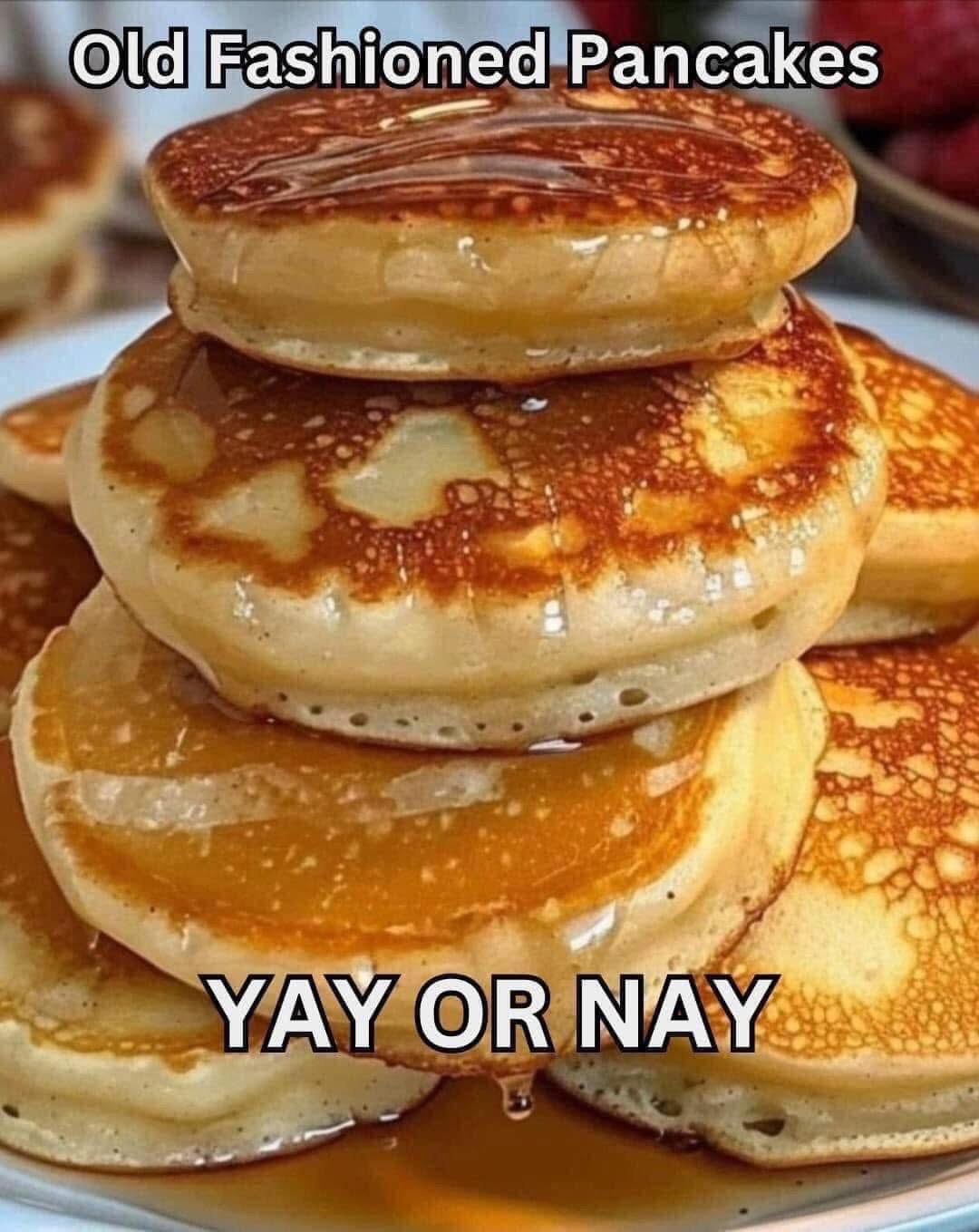
Why Make These Pancakes? These are the pancakes your grandmother made—fluffy, golden, and buttery with crispy edges and a tender, airy center. No box mix, no complicated techniques. Just simple pantry ingredients that come together in minutes. They rise into tall, pillowy stacks that soak up syrup perfectly. This is the only pancake recipe you will ever need for lazy Sunday mornings, holiday breakfasts, or any day that calls for a warm, comforting start.
Ingredients
One and a half cups all-purpose flour, three tablespoons granulated sugar, one tablespoon baking powder, half teaspoon salt, one and a quarter cups whole milk (or buttermilk for extra tang), one large egg, one teaspoon vanilla extract, and three tablespoons unsalted butter melted (plus extra for the skillet). Optional add-ins: half cup fresh blueberries, chocolate chips, or sliced bananas.
Equipment Needed
A large mixing bowl, a medium mixing bowl, a whisk, a spatula, a large non-stick skillet or griddle, a ladle or quarter cup measuring cup, and a wire cooling rack.
Method
In a large bowl, whisk together the flour, sugar, baking powder, and salt until well combined. Make sure there are no lumps of baking powder.
In a separate medium bowl, whisk together the milk, egg, vanilla extract, and melted butter until smooth.
Pour the wet ingredients into the dry ingredients. Stir gently with a spatula or whisk until just combined. The batter should be thick and lumpy with small streaks of flour still visible. Do not overmix. Overmixing develops gluten and makes pancakes tough and flat instead of fluffy and tender. A few lumps are perfectly fine.
Let the batter rest for five to ten minutes. This allows the baking powder to activate and the flour to absorb the liquid, resulting in taller, fluffier pancakes. While the batter rests, preheat your skillet.
Heat a large non-stick skillet or griddle over medium heat. To test if it is ready, sprinkle a few drops of water on the surface. They should dance and evaporate within a second or two.
Lightly grease the skillet with a small pat of butter or a spritz of cooking spray. Use a paper towel to wipe away excess—you want a thin, even coating.
For each pancake, pour about one quarter cup of batter onto the hot skillet. Do not crowd the pan—leave space between each pancake so they have room to spread.
Cook until bubbles form and pop on the surface of the pancake and the edges look set and slightly dry, about two to three minutes. The bottom should be deep golden brown.
Flip the pancake using a thin spatula. Cook for another one to two minutes on the second side until golden brown and puffed. Do not press down on the pancake—this squeezes out the air and makes it dense.
Transfer the cooked pancakes to a wire cooling rack while you cook the remaining batter. Stacking them directly on a plate traps steam and makes them soggy. A wire rack keeps them crisp on the outside and tender inside.
Serve immediately with butter and warm syrup.
Storage
Refrigerate leftover pancakes in an airtight container for up to three days. Reheat in a toaster, toaster oven, or a dry skillet over medium heat for one to two minutes per side. Microwave works but will soften the crispy edges. Freeze for up to two months. Place cooled pancakes in a single layer on a baking sheet and freeze until solid, then transfer to a freezer bag. Reheat frozen pancakes directly in a toaster or toaster oven.
Variations
For buttermilk pancakes, substitute one and a quarter cups of buttermilk for the milk. Reduce the baking powder to two teaspoons and add half a teaspoon of baking soda. For blueberry pancakes, gently fold one cup of fresh or frozen blueberries into the batter after resting. Do not overmix or the berries will bleed and turn the batter gray. For chocolate chip pancakes, fold in half a cup of mini chocolate chips. For banana pancakes, mash one ripe banana and stir it into the wet ingredients before combining with the dry. For whole wheat pancakes, replace half the all-purpose flour with whole wheat flour. Add an extra two tablespoons of milk because whole wheat absorbs more liquid. For dairy-free pancakes, use almond milk or oat milk and replace the butter with coconut oil or vegan butter. For extra fluffy pancakes, separate the egg. Whisk the yolk into the wet ingredients. Beat the white separately until stiff peaks form, then fold it into the batter gently at the very end.
Serving Suggestions
Serve with a pat of salted butter and warm maple syrup. Top with fresh berries, sliced bananas, or stewed apples. Dust with powdered sugar and a sprinkle of cinnamon. Add a dollop of whipped cream and a drizzle of chocolate sauce for dessert pancakes. Serve alongside crispy bacon, scrambled eggs, or breakfast sausage. Spread with peanut butter and jam for a protein-packed stack.
Tips for Best Results
Do not overmix the batter. This is the most important rule of pancake making. Stir just until the dry and wet ingredients are combined. The batter should look lumpy and even a little bit dry in spots. Overmixing creates tough, flat pancakes that taste like hockey pucks.
Let the batter rest. Five to ten minutes of resting time allows the gluten to relax and the baking powder to start producing bubbles. This simple step makes a noticeable difference in fluffiness. Use this time to preheat your skillet.
Use a hot but not smoking skillet. Medium heat is usually perfect. If the skillet is too hot, the outsides burn before the centers cook through. If too cool, pancakes spread too thin and turn out pale and dense. The first pancake is always a test—adjust your heat accordingly.
Flip only once. Wait until bubbles form and pop on the surface and the edges look dry. Peeking or flipping too early deflates the pancake. The second side cooks much faster than the first.
Do not press down on the pancake. It is tempting to smash the pancake with the spatula, but this squeezes out all the air bubbles that make pancakes fluffy. Let them rise naturally.
Use a quarter cup of batter for standard pancakes. This size cooks evenly and fits nicely on a plate. For silver dollar pancakes (smaller, bite-sized), use one tablespoon of batter and reduce the cooking time by about half.
Wipe the skillet clean between batches. Burnt butter bits and flour residue can make subsequent pancakes dark and uneven. A quick wipe with a paper towel and a fresh pat of butter keeps each batch perfect.
Keep cooked pancakes warm in a low oven. If you are cooking for a crowd, place finished pancakes on a wire rack set inside a baking sheet and keep them in a 95°C (200°F) oven. Do not stack them directly on a plate or they will steam and become soggy.
Use a light hand with the butter. Too much butter in the skillet makes pancakes greasy with crispy, fried edges. Use just enough to coat the surface. A paper towel dipped in butter and wiped across the skillet works beautifully.
Make the batter the night before for even better flavor. Mix the dry ingredients in one bowl and the wet ingredients in another. Refrigerate separately overnight. Combine them in the morning and let the batter rest for ten minutes before cooking. The flavors meld and the pancakes taste even better.